Guide
coming soon

Superpollutants

Superpollutants — methane, nitrous oxide, and legacy refrigerants — are responsible for roughly half of all observed warming since the Industrial Revolution. Some are 13,000 times more potent than CO₂. And because they clear the atmosphere in years, not centuries, reducing them today produces faster climate results than almost anything other action or asset in a corporate program.

This guide covers what superpollutants are, how carbon markets address them, what procurement looks like across four project types, and where they fit in SBTi's new Ongoing Emissions Responsibility (OER) framework.


A little information, please

Register now
You’re registered for

Innovating for climate action: accelerating the development of carbon removal

A confirmation email is on its way
Please enter a valid email address
Superpollutants
What’s inside
  • The science: How methane, nitrous oxide, and legacy refrigerants compare to CO₂ in potency and atmospheric lifetime — and why near-term action on them matters so much.
  • The four project types: Superpollutant destruction, industrial emissions capture, agricultural mitigation, and landfill gas — with pricing, supply dynamics, and integrity considerations for each.
  • A procurement playbook: When spot purchasing is the right call, when multi-year offtakes make more sense, and where buyers most often go wrong.
  • Standards alignment: Where superpollutants fit in the SBTi OER framework — what they qualify for, and what they don't.
  • Guide

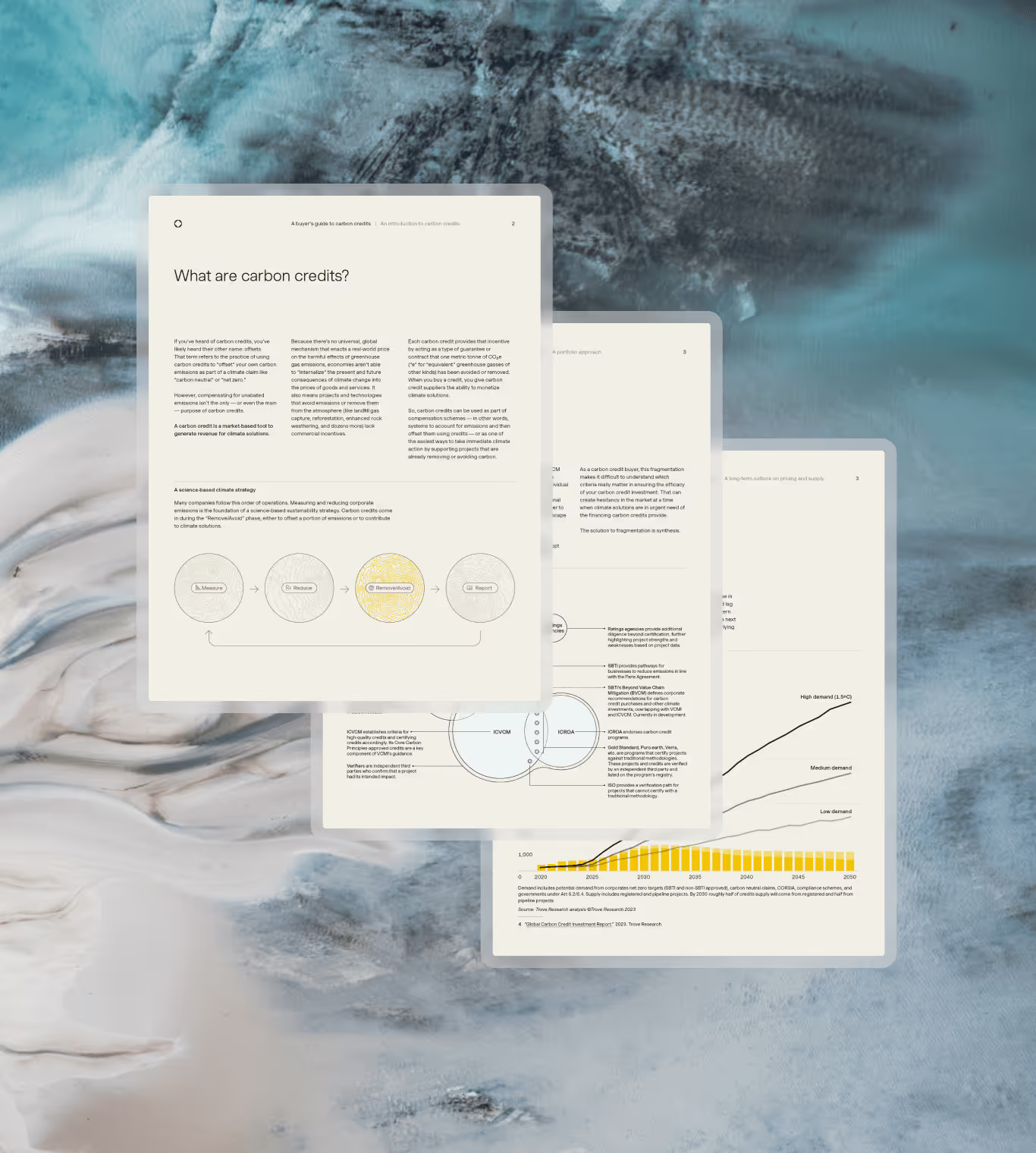
    A buyer’s guide to carbon credits

    Get actionable guidance for engaging with the voluntary carbon market, no matter your level of experience:

    • An introduction to carbon credits

    • 
A portfolio approach

    • 
A long-term outlook on pricing and supply

    Guidance that matches your experience level

    Carbon markets are complex, and constantly evolving. Buyers need education informed by the latest science that meets them where they are.

    01: An introduction to carbon credits
    If you’ve never purchased carbon credits before, this guide is your primer on the fundamentals.
    02: A portfolio approach
    If you’ve purchased credits and are looking to make more impact, this guide gives you the next step.
    03: Outlook on pricing and supply
    If you’re an experienced buyer, this guide will help inform your near- and long-term climate strategy.

    What you’ll learn

    To help you take climate action with more confidence, each guide will:
    • Explain the risks and benefits of purchasing carbon credits

    • Provide a strategic pathway to maximizing climate impact and mitigating risk

    • Offer a tactical buying checklist to corporate sustainability leaders

    Guide
    coming soon

    Superpollutants

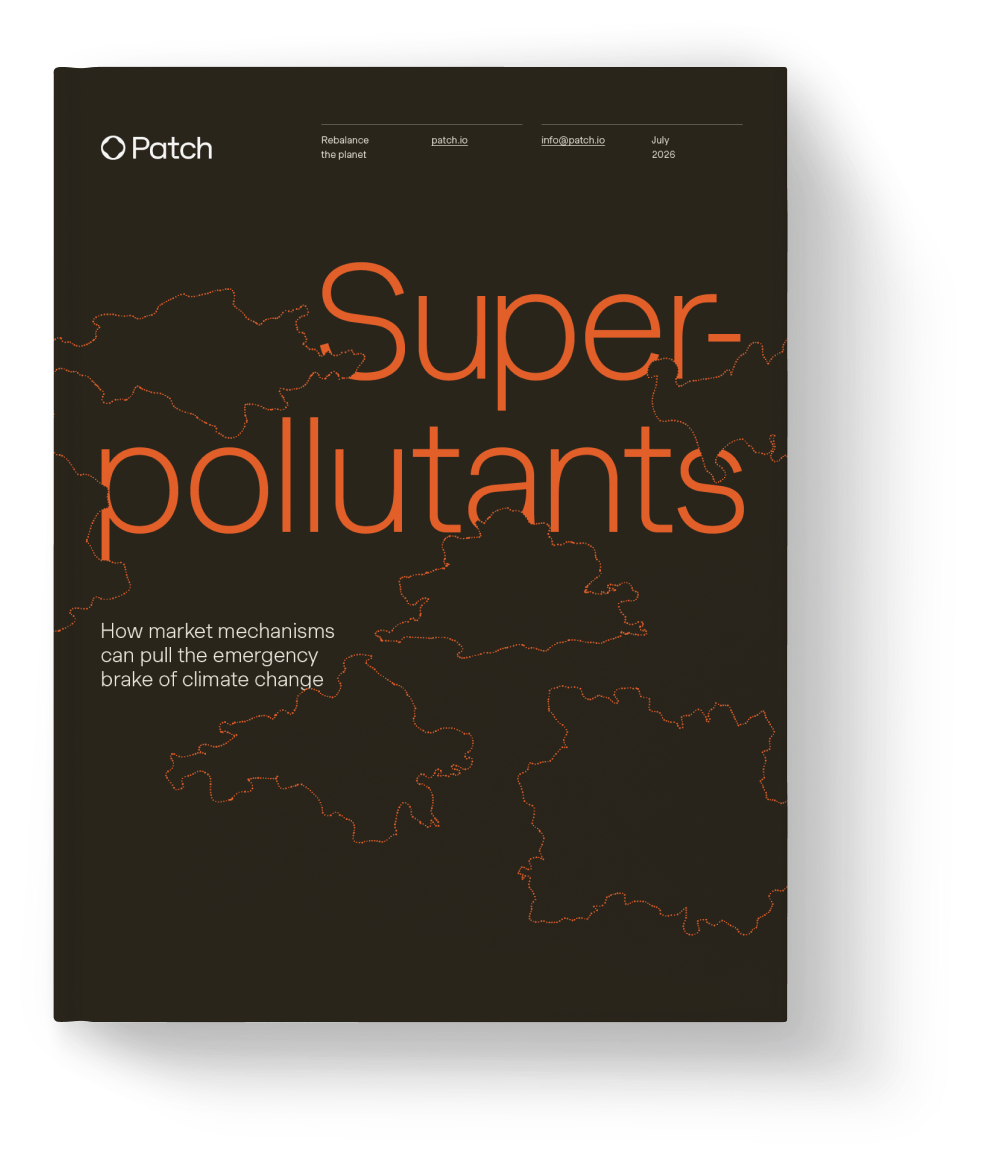
    Superpollutants — methane, nitrous oxide, and legacy refrigerants — are responsible for roughly half of all observed warming since the Industrial Revolution. Some are 13,000 times more potent than CO₂. And because they clear the atmosphere in years, not centuries, reducing them today produces faster climate results than almost anything other action or asset in a corporate program.

    This guide covers what superpollutants are, how carbon markets address them, what procurement looks like across four project types, and where they fit in SBTi's new Ongoing Emissions Responsibility (OER) framework.
    A little information, please

    Register now
    You’re registered for

    Innovating for climate action: accelerating the development of carbon removal

    A confirmation email is on its way
    Please enter a valid email address

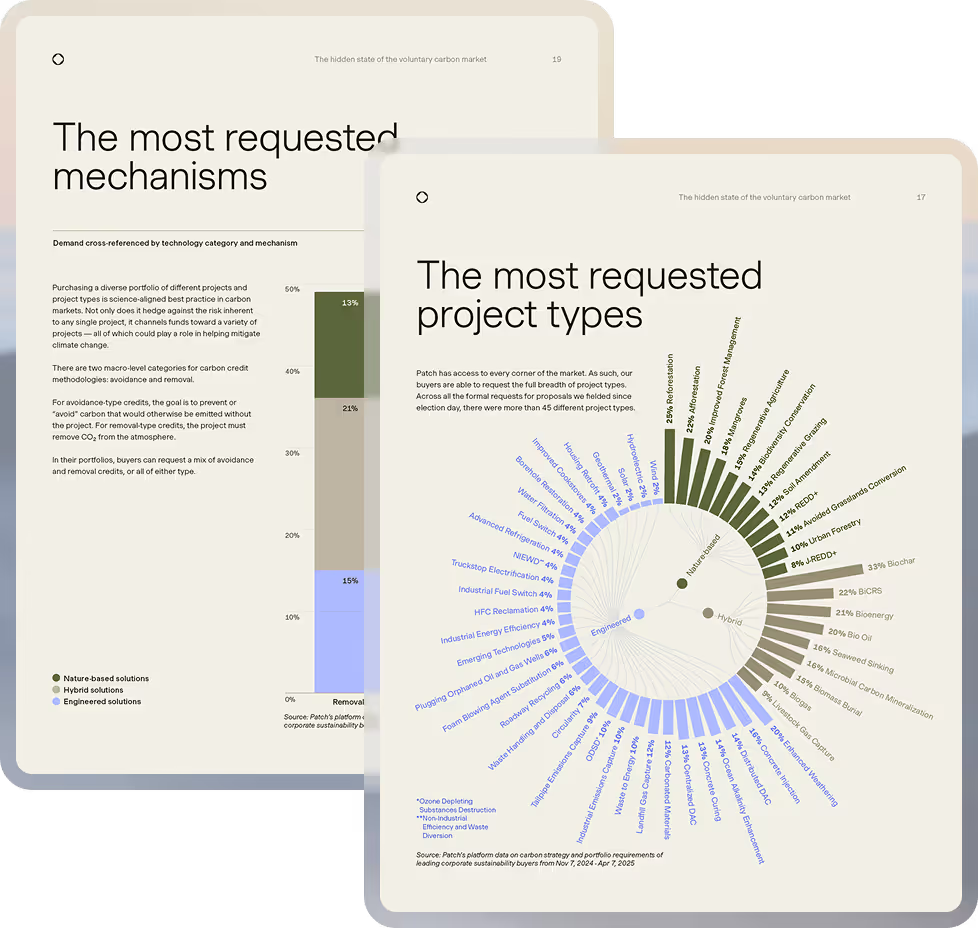
    Data analysis of the post-election VCM

    Get insights into the state of carbon markets since the U.S. presidential election.

    You’ll learn:

    • Whether companies are withdrawing from carbon markets and climate commitments
    • Which project types are in high demand and short supply
    • How to engage strategically with carbon markets in an unevenly distributed supply crunch

    Leading signals for market trends

    The Patch platform collects and aggregates signals other sources don’t — like what buyers are searching for versus what they actually purchase, preferences broken out by mechanism and rating, and more.


    This report includes insightful data on every project type in the VCM plus expert analysis of what it means.

    By clicking “Accept”, you agree to the storing of cookies on your device to enhance site navigation, analyze site usage, and assist in our marketing efforts. View our Privacy Policy for more information.